
Drew and David’s Brotherhood
I'll Be Gone in the DarkThis thread follows Drew Witthuhn’s complicated admiration for his older brother David and the loyalty that becomes most visible after Manuela Witthuhn’s murder.
increasing Bearing strength in each event
 decreasing
Bearing strength in each eventdecreasingThe Brother Who Seemed Settled
Admiration Mixed with Envy
A Grown-Up House
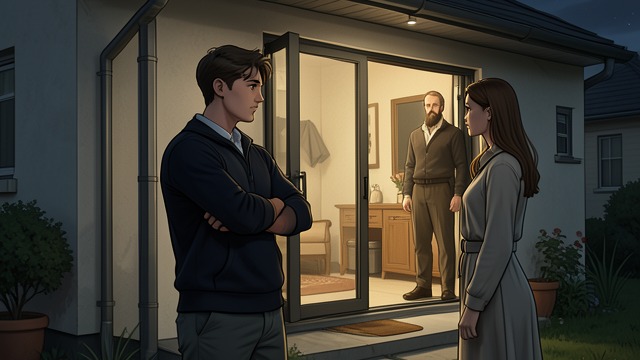
Drew Witthuhn admired the home his older brother David and Manuela Witthuhn had bought. The house was new, spacious, and still held the promise of a life they had yet to fill in; it contrasted with the crowded home in which Drew and David had grown up.
David and Manuela both had steady jobs and appeared to share the same middle-class ambitions. Their household seemed to Drew like evidence that his older brother had found stability and a future that Drew himself did not yet possess.
Distance Between Brothers
Drew also found Manuela difficult to be around. Her blunt manner often left him feeling diminished, and he came to spend little time at the couple’s home. His discomfort did not erase his affection for David, but it made the relationship less easy than admiration alone might suggest.
The tension in Drew’s response is important to the later grief. He could envy David’s life and dislike the atmosphere created by Manuela, while still caring deeply about his brother and wanting him to be safe and happy.
The Father’s Death
An Earlier Family Trauma
David Takes the First Shock
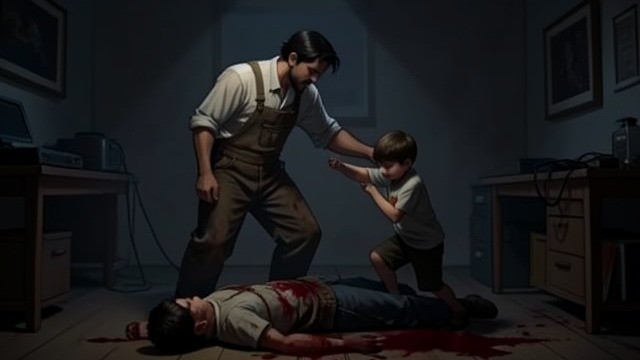
When their father, Max Witthuhn, died by suicide, David was eighteen and Drew was in eighth grade. Drew was away at a school dance; David was the one who broke down the locked door after the shotgun blast and shielded the family from the sight of their father’s body.
David absorbed what he saw alone. In the years afterward, Drew perceived that his older brother had lost some of his certainty, as though the event had suspended him in hesitation.
The Memory Behind the Later Loyalty
Drew’s memory of his brother carrying that burden forms the background to his response when David’s own household is shattered. David had once protected the younger children from a terrible discovery; now Drew would try to stand beside him through a different, equally intimate loss.
The brothers’ bond was shaped not just by shared childhood but by unequal exposure to trauma. Drew understood that David had endured something the rest of the family could not fully see, a history that made him especially protective when Manuela was killed.
The Cleanup
Drew Takes Responsibility
Returning to the House
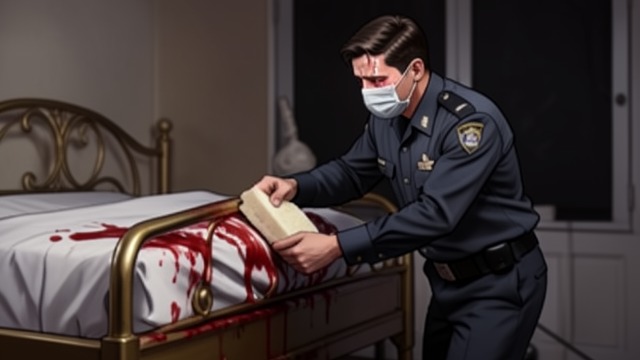
After police released the crime scene, Drew volunteered to clean his brother’s home. The bedroom remained splattered with blood, the mattress had been cut for evidence, and fingerprint powder stained the doorknobs. There was no professional crime-scene cleanup service to take the task away from the family.
Drew’s training at the Police Academy made him seem like the natural person to handle the work. He also felt that he owed it to David, combining professional discipline with a brother’s instinct to do something useful when nothing could be undone.
Grief Breaks Through
Drew and his fiancée scrubbed the room for nearly three hours. He tried to treat the work as a practical exercise in staying composed, even as he cleaned Manuela’s blood from a brass bed frame and tried to restore the house for David’s return.
Only after getting into his car did the emotional restraint fail. He remembered how much he had envied David’s life in that house and broke down, unable to keep grief in the diagnostic, controlled form he had expected of himself. His tears revealed how deeply the violence had injured the whole family, not only the people who had been inside the house.
The Question of Guilt
A Brother Asks Directly
Suspicion Enters the Family
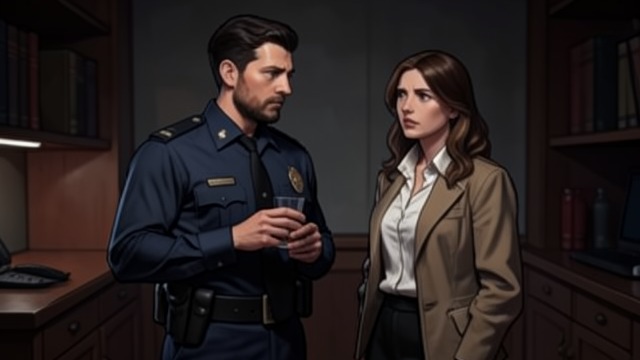
After Manuela’s funeral, Drew sat up late with David, who was drinking heavily. David suddenly said that the police thought he had killed his wife. Drew could not dismiss the possibility without asking: he wondered whether David could have hired someone, even if he did not believe his brother had physically committed the murder.
Drew felt his police training narrow his attention to the question. He believed he had one chance to hear the answer clearly, and he asked David directly whether he had killed Manuela.
Reassurance and Recognition
David answered no with certainty. Drew exhaled, having needed to hear the words, and recognized in his brother’s wounded but assured expression the truthfulness he had hoped to find.
The exchange shows how grief and suspicion can strain even a close family bond. Drew did not merely reassure himself privately; he gave David the chance to speak plainly, and the answer restored a measure of trust at a moment when the family’s grief and the investigators’ questions threatened to make every relationship uncertain.
A Piece Beneath the Bed
The Small Remnant
An Object Missed by Investigators
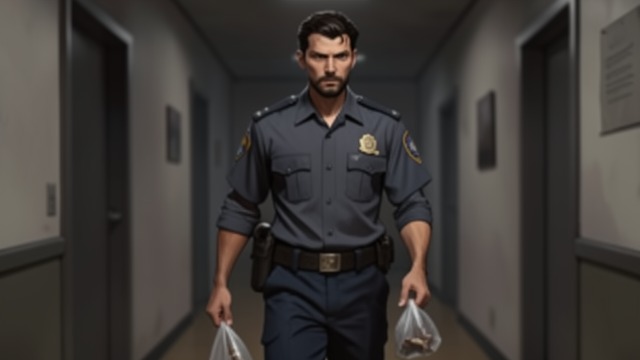
After cleaning the bedroom, Drew remembered that he had found something beneath the bed that investigators had missed. He carried the small object with him to give to the crime-scene team, believing that even amid the devastation it mattered to preserve what remained.
The object was a piece of Manuela’s skull. Its discovery sharpened the emotional cost of the cleanup: Drew had not only removed stains and debris but encountered a physical remnant of his sister-in-law’s violent death.
Kinship in an Unimaginable Task
Drew’s willingness to return the fragment to investigators reflected a complicated form of care. He could not restore Manuela or undo what had happened to David, but he could ensure that an overlooked piece of evidence was not simply discarded.
His role joined the personal and the procedural. As David’s brother, he had cleaned the home so David could return; as a police trainee, he understood that evidence had to be handed over. The responsibilities did not protect him from grief, but they gave his loyalty somewhere concrete to go.
Late 1979, after David and Manuela moved into their new home
About ten years before Manuela’s murder
Saturday, February 7, 1981
After Manuela’s funeral, February 1981
As Drew left the house after the cleanup
